Italy’s Leatherworking Heritage, Unpacked: The Skilled Technique Underlying the house
Salvatore Ferragamo forged his standing on the belief that footwear and leather goods should be methodically constructed, instead of merely being pieced together. This guiding principle, originating in Florence back in 1927, remains central to how a ferragamo bag is shaped, sewn and completed even now. Understanding the brand’s underlying craftsmanship helps clarify why a salvatore ferragamo bag earns notice among collectors and casual shoppers alike. It also sheds light on value and lasting quality and why certain pieces are singled out as the best ferragamo bags on the pre-owned and first-hand markets.
Selecting leather, tanning it, sourcing hardware and finishing by hand all contribute to what separates an starter piece from a premium, heritage-grade item. This article takes you through each stage of that process, compares construction approaches across categories, and gives a grounded overview of what to look for when browsing a ferragamo shop in 2026.
Where It All Started: the House’s Approach to Leather
Salvatore Ferragamo trained as a shoemaker in Bonito, Italy, before resettling in the United States and eventually returning to Florence to found his studio. His foundational preoccupation was anatomical fit, which drove him to study materials as rigorously as construction. That identical exactness carried over into leather goods once the house broadened past footwear in the mid-20th century.
Florence itself matters here. The city sits at the center of Tuscany’s tanning industry, an area with generations of refined know-how in vegetable and chrome tanning alike. Ferragamo sources much of its leather from tanneries within this region, which shortens the journey from tannery to workshop and allows more rigorous inspection between tannery and workshop. Proximity isn’t a marketing detail; it’s a operational benefit that reduces handling ferragamo hug shoulder bag damage and preserves hide consistency.
Such geographic clustering also explains why numerous Italian luxury brands, Ferragamo among them, maintain workshops within a tight radius of Florence and its surrounding provinces. The network — tanneries, hardware foundries, skilled artisans — is all clustered together, and this concentration is part of why «Italian leather» means something substantive rather than mere promotional wording.
How Ferragamo Leather Is Chosen and Processed
Not all hides make the cut for a finished bag. Tanneries assess hides based on density, tightness of grain and surface flaws before they’re cleared for use. Ferragamo’s leather goods generally depend on full-grain or top-grain calfskin, along with exotic materials like python or crocodile skin for select limited runs, though availability varies by season and collection.
Tanning as a process takes one of two general routes: the vegetable-tanning method, which draws on tree bark and plant extracts and can take several weeks, or chrome tanning, which is speedier and produces a softer, more pliable finish.
Dyeing, buffing, and at times embossing are applied to hides once tanning finishes and prior to they reach a cutting table. Whatever inconsistency at this stage — an uneven dye lot, a hide that’s overly thin at the shoulder — causes the skin rejected. That’s partly why production volumes for certain bag lines remain limited; the raw material simply doesn’t always meet the bar.
The Way a Ferragamo Bag Is Defined by Construction Techniques
Cutting, once the leather has been approved and reaches the workshop, is carried out with careful regard for the hide’s inherent grain direction — panels cut against the grain stretch and age unevenly compared with those cut along it. Skilled cutters lay out each pattern piece to sidestep scars, stretch marks or weak spots near the hide’s edges.
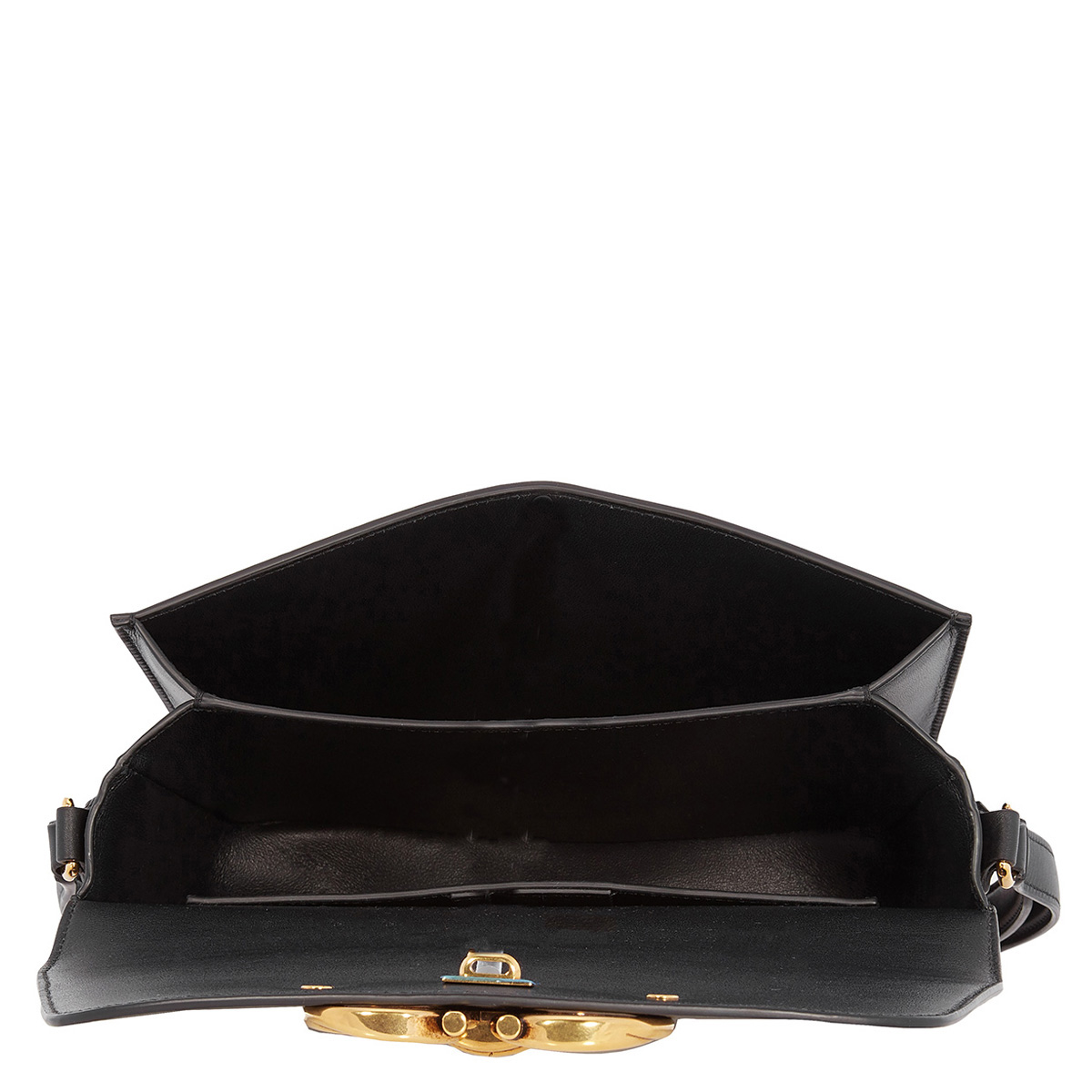
On a ferragamo bag, structural seams are typically machine-stitched, while edges, handles and closures receive hand-finishing. Edge painting — laying on multiple thin coats of lacquer to a leather edge and burnishing between coats — is a detail worth checking closely, since a smooth, polished edge with no cracking tends to indicate careful finishing standards.
The hardware components are another differentiator. Zippers, clasps and the brand’s signature Gancini hardware are generally produced in brass or zinc alloy, then plated in gold-tone or palladium finishes. Plating quality determines how well hardware resists tarnishing over years of use, and it’s often the first thing that separates a well-maintained bag from one that ages before its time.
Just as much as external appearance, interior construction matters. Strengthened corners, structured bases and canvas or leather lining all factor into how a bag holds its shape after months of daily use. A well-built ferragamo bag should keep its silhouette even when only partially filled, which is a practical way to assess structural quality firsthand.
Contrasting Ferragamo Bag Classes
Several structural categories comprise Ferragamo’s leather goods, each suited to different use cases and price points. The table below presents a general comparison to help shape expectations when browsing a ferragamo shop, whether in person or online.
| Type of Handbag | Hide Typically Used | Build | Recommended Use |
|---|---|---|---|
| Top-handle bags | Plant-tanned calfskin | Firm, boxy shape | Dressy events and professional wear |
| Bags worn over the shoulder | Calfskin processed with chrome | A loose, soft fall | Casual outings and routine errands |
| Bags slung across the body | Mixed tanning, often with canvas trim | A moderately structured, compact form | Travel, no-hands days |
| Evening clutches and evening bags | Embossed or uncommon leathers | Scant internal support | Nighttime attire and special occasions |
This breakdown isn’t exhaustive, but it gives a working framework. Anyone compiling their own ferragamo bags overview should start by asking how a bag will actually be used before comparing leather type or hardware finish, since fit-for-purpose matters more than category prestige.
The Distinguishing Marks of the Top-Tier Ferragamo Bags From the Rest
Among collectors and long-time shoppers, a consensus tends to form around which pieces qualify as the best ferragamo bags — and it usually comes down to a combination of construction quality, hardware durability and design longevity rather than trend cycles. Bags built on the house’s classic Gancini hardware tend to hold resale value better than seasonal designs tied to a single collection.
Stitch density is a useful indicator worth training your eye to notice. More consistent, closely-set stitching around high-strain areas — where the handles attach, zipper seams, the seams at the corners — suggests a bag built for years of use rather than a single season. Loose or uneven stitching, regardless of how good the bag otherwise looks, is usually a sign of premature wearing down at those same stress points.
Leather thickness also plays a role, in particular on structured styles. The kind of top ferragamo bags list most style editors compile will tend to favor pieces using thicker, full-grain leather over thinner corrected-grain alternatives, since thickness correlates directly with resistance to creasing and sagging over time.
Last but not least, coherence across a single bag’s panels — grain texture that lines up, a uniform dye batch — differentiates a thoughtfully constructed piece from one made using mismatched leftover leather. This is a detail worth inspecting under strong, direct light before finalizing any buy, be it brand-new or previously owned.
Buying Wisely in the Salvatore Ferragamo Universe
Regardless of whether looking under salvatore bag, ferregamo, or the full salvatore ferragamo bags range, misspellings shouldn’t take attention away from the essential points discussed above: leather quality tier, tanning method, hardware craftsmanship and stitching uniformity. These four factors matter more than seasonal trends when evaluating long-term value.
Buying through an authorized ferragamo shop or the brand’s official channels remains the safest way to guarantee authenticity and post-purchase support, including repairs and hardware servicing. Secondary markets can offer value, but verifying leather type, stitching and hardware plating in person or through detailed photos is essential before committing to a purchase.
Since pricing shift considerably according to type, material, and limited-edition status, it pays to compare several listings within the same style before taking it for granted price alone signals quality.
A well-documented provenance — the original receipt, dust bag, and authenticity card — can count for just as much as the leather itself when it comes to resale.
Its lifespan can be stretched out by a good margin through regular maintenance.
Regularly conditioning the leather, keeping it out of prolonged sun, and storing bags upright inside their dust bags all go a long way toward preserving both structure and the finish of the leather.
No matter the category, a carefully tended piece will typically outperform a neglected one, even if that one started out with higher original quality.
Fundamentally, the artistry behind Ferragamo’s leather goods is a product of generations of honed technique grounded in Florence’s tanning legacy.
Ranging from how the hide is picked to how the edges are finished, understanding these details makes a simple purchase into a knowledgeable choice, so it’s easier to identify truly well-crafted pieces whether you’re browsing across a ferragamo shop or reassessing something already in your collection.